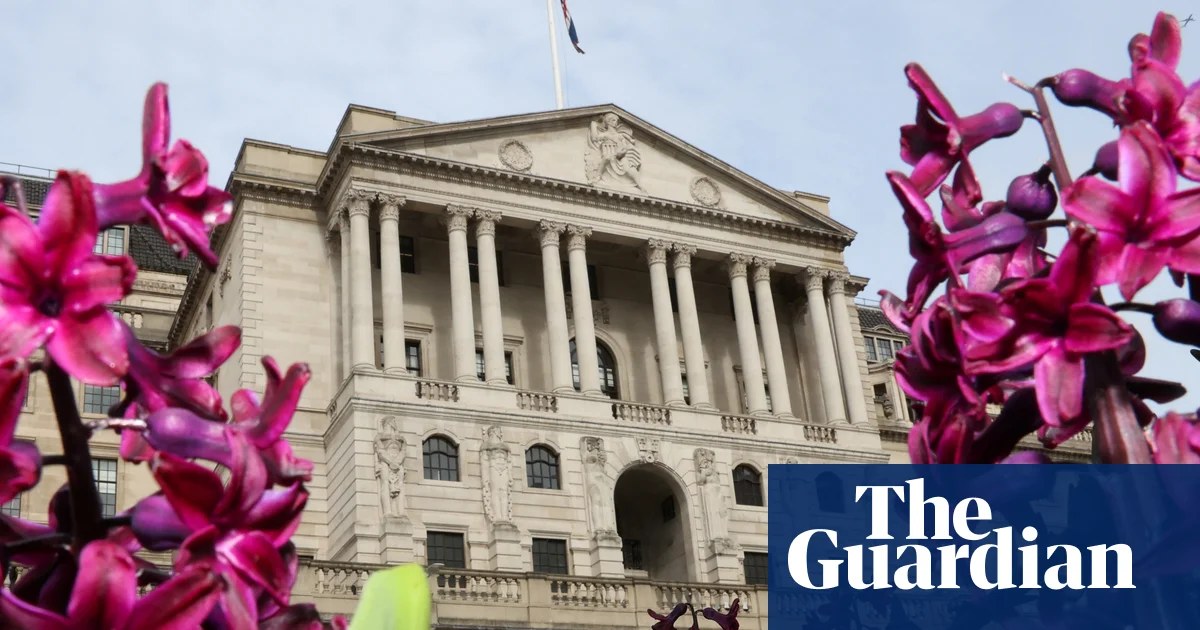
The Bank of England has awarded a £160m construction contract to Sir Robert McAlpine for a major renovation of its Grade I-listed Threadneedle Street headquarters, aiming to consolidate 3,500 staff on a single site by summer 2028 while preserving historic interiors. The project, funded by £100m in annual savings from 450 redundancies, seeks to avoid the cost overruns that plagued the US Federal Reserve's Washington renovation.
Key Takeaways
- Bank of England awards £160m Threadneedle Street renovation contract to Sir Robert McAlpine (October 2026).
- Project targets summer 2028 completion, consolidating 3,500 staff on-site; 1,400 from 20 Moorgate to relocate, take redundancy, or move to Leeds.
- Funded by £100m/year for three years from 450 redundancies and cost savings — linking workforce cuts to capital investment.
- Explicit benchmarking against Federal Reserve renovation: costs tripled from $921m to ~$2.5bn, completion delayed 3.5 years, triggered Trump political clash.
- Grade I heritage constraints (Roman mosaics, Soane ceilings) and live-site operations with 3,500 staff create high execution risk; listed building consent phasing underway.
Executive Intelligence Brief
Contract Award and Phasing Strategy
Sir Robert McAlpine was appointed in October 2026, eleven months after the project's July 2025 announcement and a year after architects were engaged in November 2025. The Bank describes the scheme as an "incredibly complex project" requiring work to proceed while 3,500 staff remain on-site. Floorplans are kept confidential for security reasons. The contract award followed a phased procurement approach: early enabling works may secure listed building consent ahead of the main scheme, a standard tactic to accelerate commencement and lock in pricing before inflation erodes budgets.
By summer 2028, 1,400 staff currently at 20 Moorgate will relocate to Threadneedle Street, accept voluntary redundancy, or transfer to a new Leeds outpost also undergoing refurbishment. One staff member told the Guardian: "It's like there is a leaving party every week." The Bank states its procurement processes "aim to deliver value for money" while preserving the historic asset.
Federal Reserve Precedent and Political Risk
The Bank is acutely aware of the Federal Reserve's renovation trajectory. The Fed's Martin Building project in Washington began with a $921m budget in February 2020; by December 2024, the estimate hit $2bn, with a projected final cost near $2.5bn. Completion slipped from mid-2024 to December 2027. The overruns prompted then-President Donald Trump to threaten court action against the Fed, creating a precedent for political interference in central bank infrastructure governance that Governor Andrew Bailey will be keen to avoid.
Domestically, the Elizabeth Tower (Big Ben) restoration saw its budget double then rise a further 20%, inviting parliamentary scrutiny. Critics have historically used such overruns to question the Bank's competence in its core mandate of monetary policy. The Threadneedle Street project, at £160m, is far smaller than the potential £60bn Palace of Westminster restoration but carries outsized reputational weight.
Heritage Constraints and Operational Continuity
The building's Grade I status imposes strict preservation requirements: Roman mosaic floors, stone columns, and Sir John Soane's vaulted, ornate ceilings (1788–1833) must be retained. The 1920s reconstruction largely demolished Soane's interiors, leaving a hybrid heritage fabric. The Bank aims to transform the neoclassical structure into a "Google-like workplace" with breakout rooms and in-house cafes, per staff aspirations, without "radical reinvention" but through "thoughtful, intelligent transformation."
Operational continuity is paramount. The Bank, granted operational independence in 1997 and expanded regulatory powers post-2008, cannot afford disruption to market operations, supervision, or monetary policy functions during construction. The site sits opposite the Royal Exchange and adjacent to the Mansion House, in the heart of the Square Mile.
Funding Model and Workforce Restructuring
The £160m capital outlay is funded by an estimated £100m per year for three years derived from 450 redundancies and other cost savings. This creates a direct link between workforce reduction and infrastructure investment. The 450 roles represent a significant slice of the Bank's headcount, with the 20 Moorgate closure acting as the primary consolidation lever. The Leeds outpost represents a geographic diversification of the Bank's operational footprint, aligning with broader public sector relocation policies.
Forward Outlook and Monitoring Points
Key milestones include the start of enabling works, the submission of the main listed building consent application, and the phased decant of 20 Moorgate staff. The Bank asserts there will be "no delays," citing the November 2025 architect appointment. However, the complexity of working in a live, secure, Grade I environment with undisclosed floorplans presents significant execution risk. Parliamentary committees will likely monitor budget adherence closely, given the Elizabeth Tower and Fed precedents. The Leeds refurbishment timeline must synchronise with the Threadneedle Street completion to absorb transferring staff.