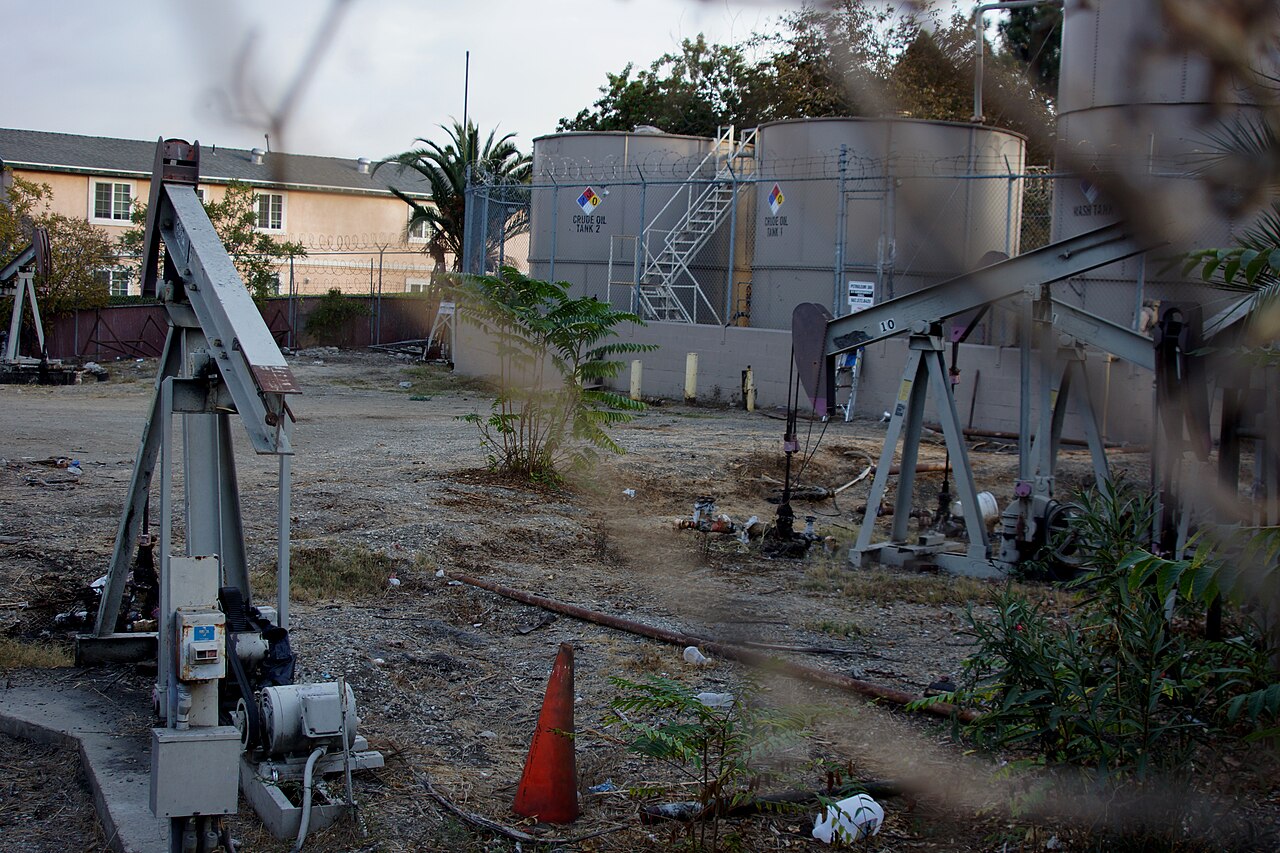
Brent crude futures slipped below $75 per barrel on October 19, 2026, as weakening Chinese manufacturing data amplified global demand concerns, pressuring energy equities across major exchanges while traders awaited OPEC+ supply signals ahead of the December policy meeting.
Oil Market Impact & Global Macro Context
The latest leg lower in crude reflects a convergence of cyclical and structural headwinds. China's October PMI contraction — the third consecutive month below 50 — has revised consensus demand growth forecasts for Q4 2026 downward by 300-400 kb/d. Simultaneously, the U.S. dollar index hovering near 108 creates a currency headwind for dollar-denominated commodities, while elevated real yields reduce the carry appeal of long oil positions.
European benchmarks mirrored the weakness. The OSEBX energy sector declined 2.1% as integrated majors pared gains, while Rotterdam crack spreads compressed on abundant middle distillate inventories. Across the Atlantic, Wall Street energy names outperformed the broader rebound but failed to reclaim the 50-day moving average, signaling technical resistance.
"The market is pricing a demand destruction scenario that may prove excessive if Chinese stimulus translates to industrial activity in Q1. However, OPEC+ discipline remains the critical variable — any signal of accelerated unwinding could trigger a sharper re-pricing below $70." — Senior Commodity Strategist, Global Investment Bank
Macro correlations have shifted notably. The 30-day rolling correlation between Brent and the S&P 500 has turned positive (+0.45), reflecting shared sensitivity to global growth expectations rather than inflation hedging dynamics. This regime change implies energy equities now trade more as cyclical growth proxies than inflation beneficiaries, altering portfolio construction logic for multi-asset managers.
Key Takeaways for Energy Sector Investors
- Monitor Chinese credit impulse data for early signs of demand stabilization before committing to long energy exposure.
- Watch OPEC+ compliance metrics and December meeting rhetoric for supply-side catalysts that could override demand fears.
- Expect continued volatility in crack spreads as refinery maintenance season peaks, creating dispersion opportunities across the value chain.
- Hedge dollar exposure in energy portfolios given the tight inverse correlation between DXY and crude that has persisted since Q2 2026.
Frequently Asked Questions
Will OPEC+ Extend Production Cuts Into 2027?
Current forward curves price a high probability of extension, but the cartel's December 4 meeting will test cohesion as African producers push for higher quotas. Saudi Arabia's fiscal breakeven near $90 Brent creates strong incentive for discipline, though demand uncertainty complicates the calculus.
How Does Sub-$75 Brent Impact U.S. Shale Capital Discipline?
Most Permian operators maintain free cash flow neutrality at $65-70 WTI, but growth capex budgets face pressure below $75. Expect shareholder return prioritization over volume growth, reinforcing the structural supply moderation that has characterized the post-2022 era.