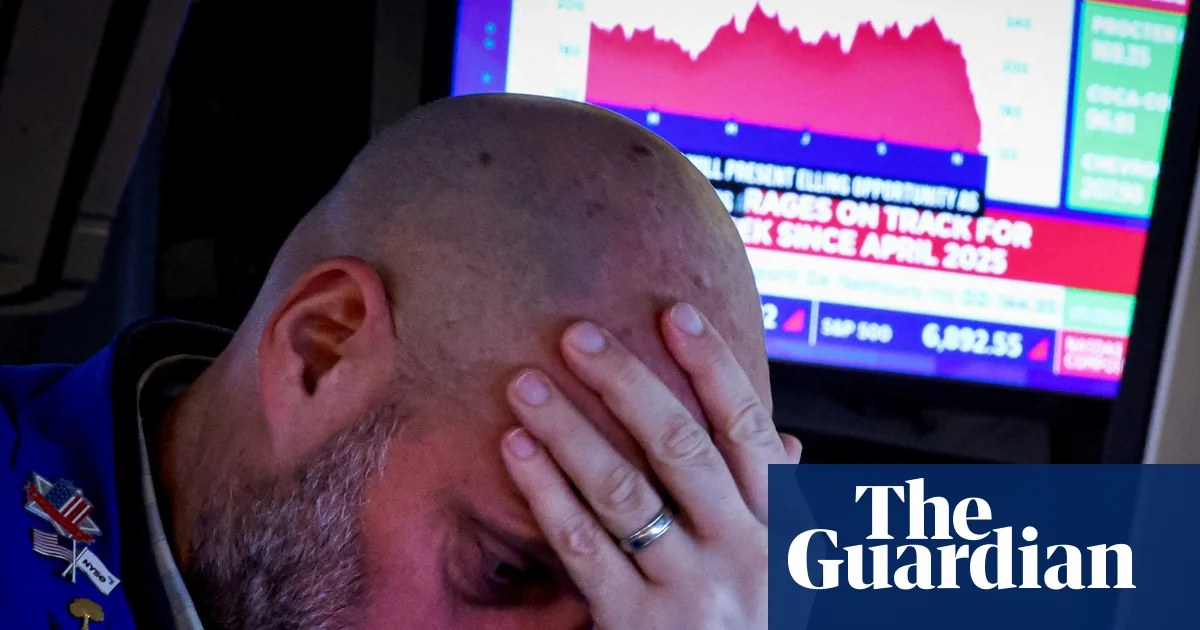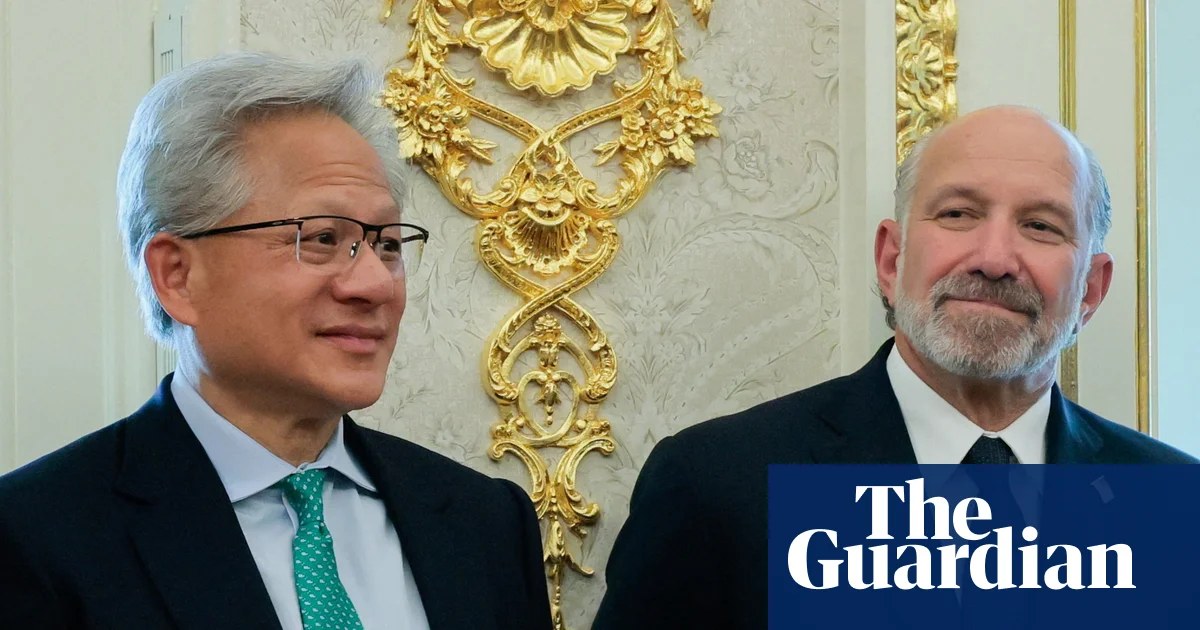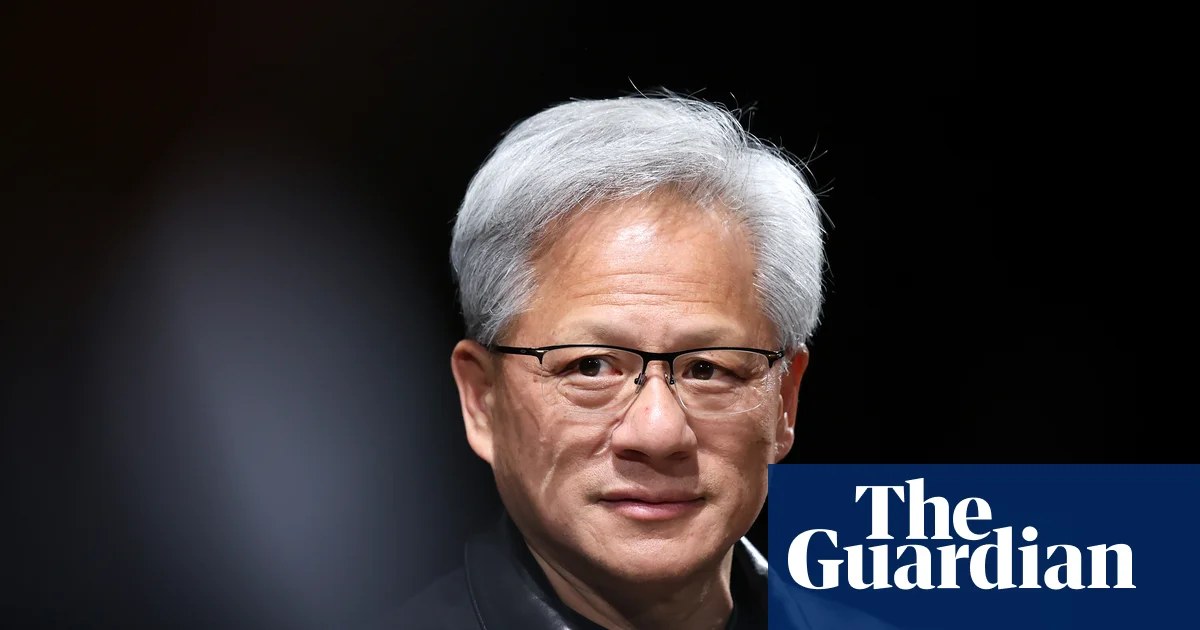
Nvidia shares plunged 13% in early trading after CEO Jensen Huang resigned over an affair, a departure that has laid bare the structural dependencies underpinning the world's second-most valuable company. Huang was not merely a chief executive; he was the personal guarantor of a sprawling, opaque ecosystem of sovereign AI contracts, neocloud financing vehicles, and circular capital flows that collectively functioned as the 'central bank of AI.' His exit raises immediate questions about the enforceability of hundreds of billions of dollars in chip commitments and the durability of a demand model that relies on Nvidia financing its own customers.
Key Takeaways
- Nvidia shares fell 13% after CEO Jensen Huang resigned over an affair, removing the architect of the company's sovereign AI and neocloud ecosystem.
- Huang personally negotiated opaque sovereign AI deals in 2025, including a commitment to supply 260,000 advanced chips to South Korea with undisclosed terms.
- Nvidia's 'central bank of AI' model relies on circular financing: hundreds of billions invested in startups and neoclouds that cycle back to buy Nvidia chips.
- TSMC's 60% yield rate on advanced chips creates a structural bottleneck; Huang's personal ties secured Nvidia's priority access to limited capacity.
- Competitors (Google, Microsoft, Meta) are deploying in-house chips that match or exceed Nvidia's for specific workloads, threatening the pricing moat.
Executive Intelligence Brief
The Architecture of Nvidia's Dominance
Nvidia's irreplaceability in the AI economy stems less from its chip designs — which competitors including Google, Microsoft, and Meta are increasingly replicating — than from the web of relationships Huang personally cultivated. In 2025, Huang met with leaders including Saudi Crown Prince Mohammed bin Salman, UK Prime Minister Keir Starmer, and French President Emmanuel Macron, pitching 'sovereign AI' infrastructure powered by Nvidia hardware. These meetings yielded agreements such as a commitment to supply 260,000 advanced chips to South Korea, though delivery timelines, pricing, and payment terms were never publicly disclosed.
Simultaneously, Nvidia financed a network of 'neoclouds' — specialized datacenter operators that purchase Nvidia chips and rent capacity to AI model developers. This arrangement keeps datacenter construction risk off Nvidia's balance sheet while guaranteeing chip demand. Nvidia also invested hundreds of billions of dollars directly into AI startups, including OpenAI, with the explicit understanding that capital would cycle back to purchase Nvidia GPUs. The result is a circular flow where Nvidia funds the buyers of its own products, inflating both revenue and valuation.
The TSMC Bottleneck and Geopolitical Exposure
Underpinning this entire structure is Taiwan Semiconductor Manufacturing Company (TSMC), which fabricates the overwhelming majority of advanced AI chips. TSMC's most advanced process still yields only 60% functional chips, meaning 40% are defective — a staggering failure rate for the world's most critical semiconductor technology. Nvidia's privileged access to TSMC capacity has been a key competitive moat, but that access was largely negotiated and maintained through Huang's personal relationship with TSMC leadership. Any disruption to this allocation — whether from geopolitical tension, TSMC capacity constraints, or a shift in priority toward Nvidia's increasingly capable in-house competitors — would immediately constrain Nvidia's ability to fulfill its sovereign and neocloud commitments.
Competitive Pressure and In-House Alternatives
Major customers are not waiting. Google's Tensor Processing Units (TPUs) are already considered at least comparable to Nvidia's GPUs for certain workloads. Microsoft, Meta, and Amazon are accelerating custom silicon programs. If these hyperscalers achieve parity, the rationale for Nvidia's premium pricing and allocation priority erodes. Huang's departure removes the chief negotiator who could leverage personal ties to maintain preferential TSMC access and sovereign deal flow.
Governance Vacuum and Regulatory Risk
The resignation also coincides with heightened congressional scrutiny. The House China committee has threatened Huang with a subpoena over espionage allegations, and Nvidia has hired a former federal prosecutor to lead an internal investigation. The neocloud financing model — where Nvidia effectively vendors-finances its own demand — may attract SEC or banking regulator attention if the circular flows obscure true credit risk or revenue quality. A new CEO without Huang's founder authority will face pressure to clean up disclosure practices, potentially reducing the flexibility that fueled growth.
Forward Outlook: Succession and Contract Execution
The immediate test is whether Nvidia's board appoints an insider who can maintain Huang's personal diplomacy or an external operator who imposes conventional governance. Sovereign counterparties in Riyadh, London, Paris, and Seoul will seek reassurance that 2025 commitments will be honored on original terms. Neocloud operators will watch for any tightening of vendor financing. TSMC will reassess allocation priorities. And competitors will test whether Nvidia's pricing power holds without its founder at the helm. The AI economy's 'central bank' has lost its chairman; the currency's credibility now depends on the successor's ability to convert personal guarantees into institutional contracts.