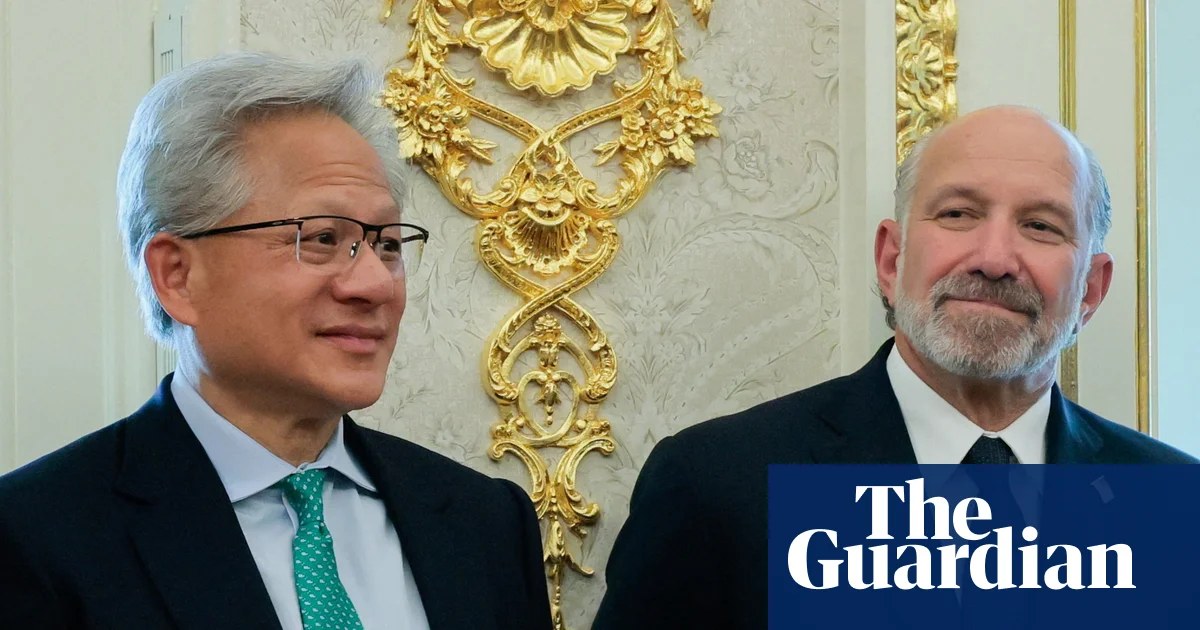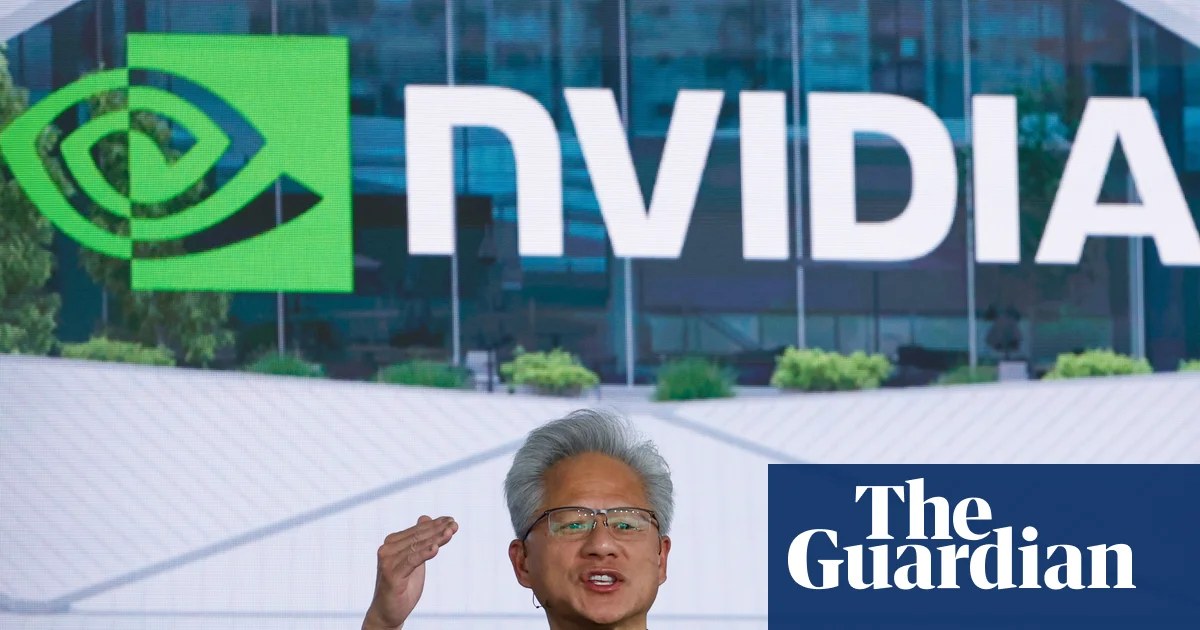
Nvidia's board has hired Wachtell, Lipton, Rosen & Katz to lead an independent investigation into CEO Jensen Huang's relationship with an alleged Chinese intelligence asset, Alice Huang, as the $4.1 trillion chipmaker confronts escalating governance and national security scrutiny. The probe, led by former federal prosecutor Joon Kim, comes after Huang admitted to marital infidelity and reports emerged of a second affair with a direct subordinate, wiping $311 billion from market capitalization before a partial recovery.
Key Takeaways
- Nvidia board retains Wachtell Lipton (Joon Kim leading) for independent probe into CEO Jensen Huang's ties to alleged Chinese intelligence asset Alice Huang.
- Huang admitted marital infidelity Sunday; WSJ/NYT reported second affair with subordinate Wednesday, triggering >8% extended-hours drop.
- Shares recovered to $173.73 (+2.9%) Wednesday, narrowing market cap loss to $311bn since Friday; CoreWeave earnings lifted AI sector.
- US Ambassador Perdue framed case as national security issue, signaling potential export license and government contract scrutiny.
- Market assigns ~15% probability of CEO removal vs 85% he stays; investigation estimated 4-6 weeks with FBI probe and shareholder suit adding legal vectors.
Executive Intelligence Brief
Investigation Structure and Wachtell Mandate
The board appointed a committee of independent directors to oversee the investigation, which the company described as "thorough and independent." Wachtell partner Joon Kim, who served as Acting US Attorney for the Southern District of New York from 2017 to 2018 overseeing securities fraud, public corruption, and cybercrime prosecutions, will lead the day-to-day inquiry. The firm, known for inventing the "poison pill" takeover defense and advising the US Treasury on the 2008 Fannie Mae and Freddie Mac conservatorships, commands the highest profits per partner in the US legal market at $12 million annually.
Nvidia stated Huang will continue to lead the business "without interruption" during the review. No timeline for completion was disclosed, though market participants cited in reporting expect a four-to-six-week process that will create a persistent overhang on the stock.
Chronology of Allegations and Market Reaction
The crisis erupted following reports that Huang had an affair with Alice Huang, a Chinese citizen and Nvidia customer alleged to be an intelligence operative. After initially denying an improper relationship, Huang admitted on Sunday to marital infidelity without naming the individual. Nvidia simultaneously disclosed it was investigating whether Huang "has been the target of a foreign intelligence effort."
On Wednesday, the Wall Street Journal and New York Times reported a second affair involving a female executive who reports directly to Huang. Shares plunged more than 8% in extended trading on that disclosure, having earlier staged a recovery to close at $173.73, up 2.9% on the session, narrowing the peak-to-trough market cap decline to $311 billion since Friday. The broader AI complex found support from CoreWeave, which surged over 24% on strong revenue growth.
National Security and Geopolitical Dimensions
US Ambassador to China David Perdue explicitly linked the case to national security, stating: "The situation with Nvidia is another reminder that we have to stay diligent. National security is part of this economic conversation because economic security is national security. And so, what we're doing with China is bumpy right now." The remarks signal potential scrutiny of Nvidia's export license compliance and government contract eligibility, given the company's dominant position in AI accelerators subject to strict US export controls on advanced semiconductors to China.
Governance Precedents and Key-Person Risk
The investigation tests Nvidia's governance architecture at a moment when Huang's leadership is widely viewed as inseparable from the company's strategic execution. Market-implied probabilities cited in reporting assign roughly a 15% chance of removal versus 85% probability he remains CEO post-investigation. The board's independent committee structure mirrors protocols used in prior high-profile CEO misconduct probes, though the national security nexus distinguishes this case. Parallel reporting indicates a shareholder lawsuit has been filed and the FBI may be investigating, adding regulatory and legal vectors to the board's deliberations.
Forward Outlook and Monitoring Points
Investors should monitor: the investigation's scope expansion beyond personal conduct to potential information security breaches; any SEC Form 8-K filings regarding material governance changes; the independent committee's interim findings or recommendations; developments in the reported FBI inquiry; and potential shareholder derivative litigation. The four-to-six-week estimated timeline suggests a resolution window in mid-to-late December, though complex national security reviews could extend the process.