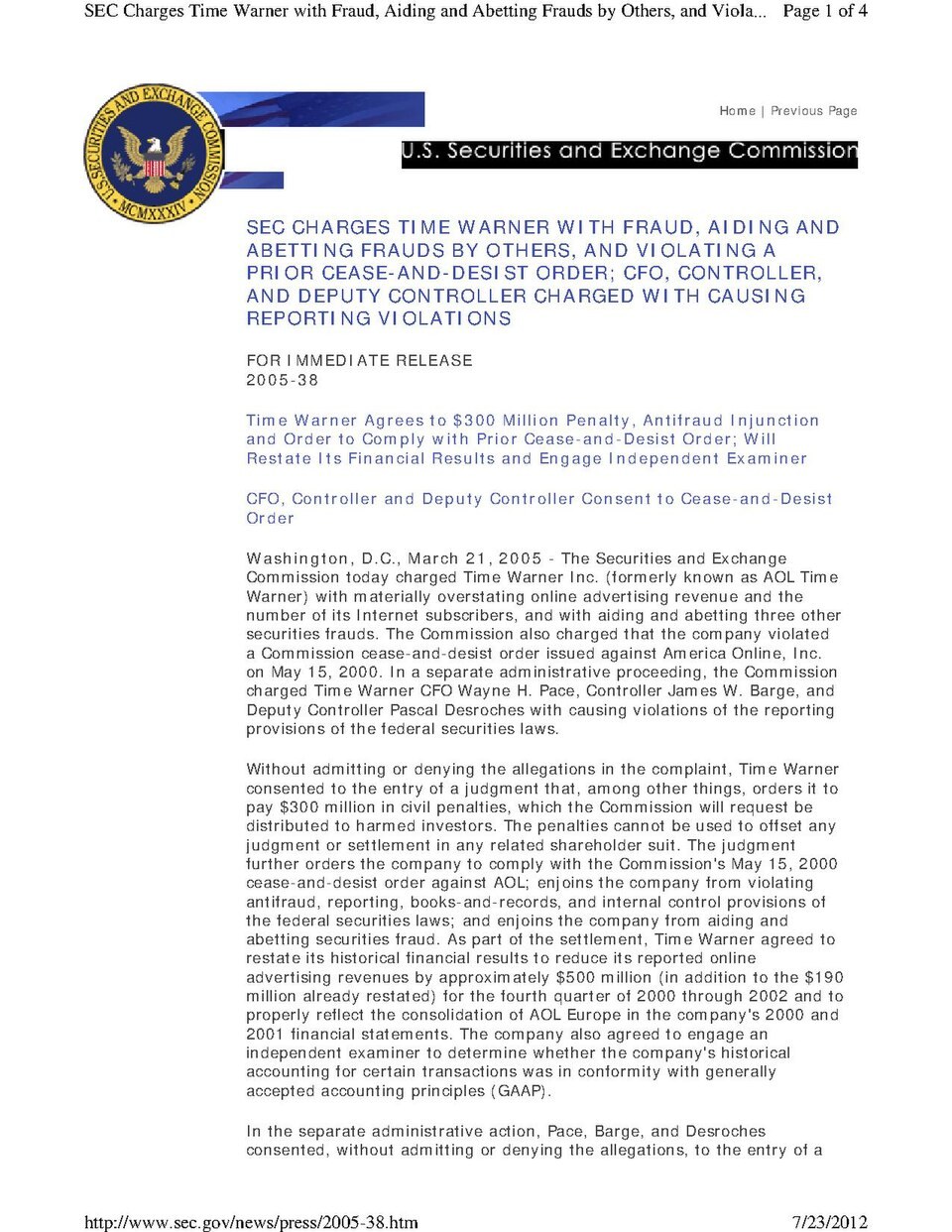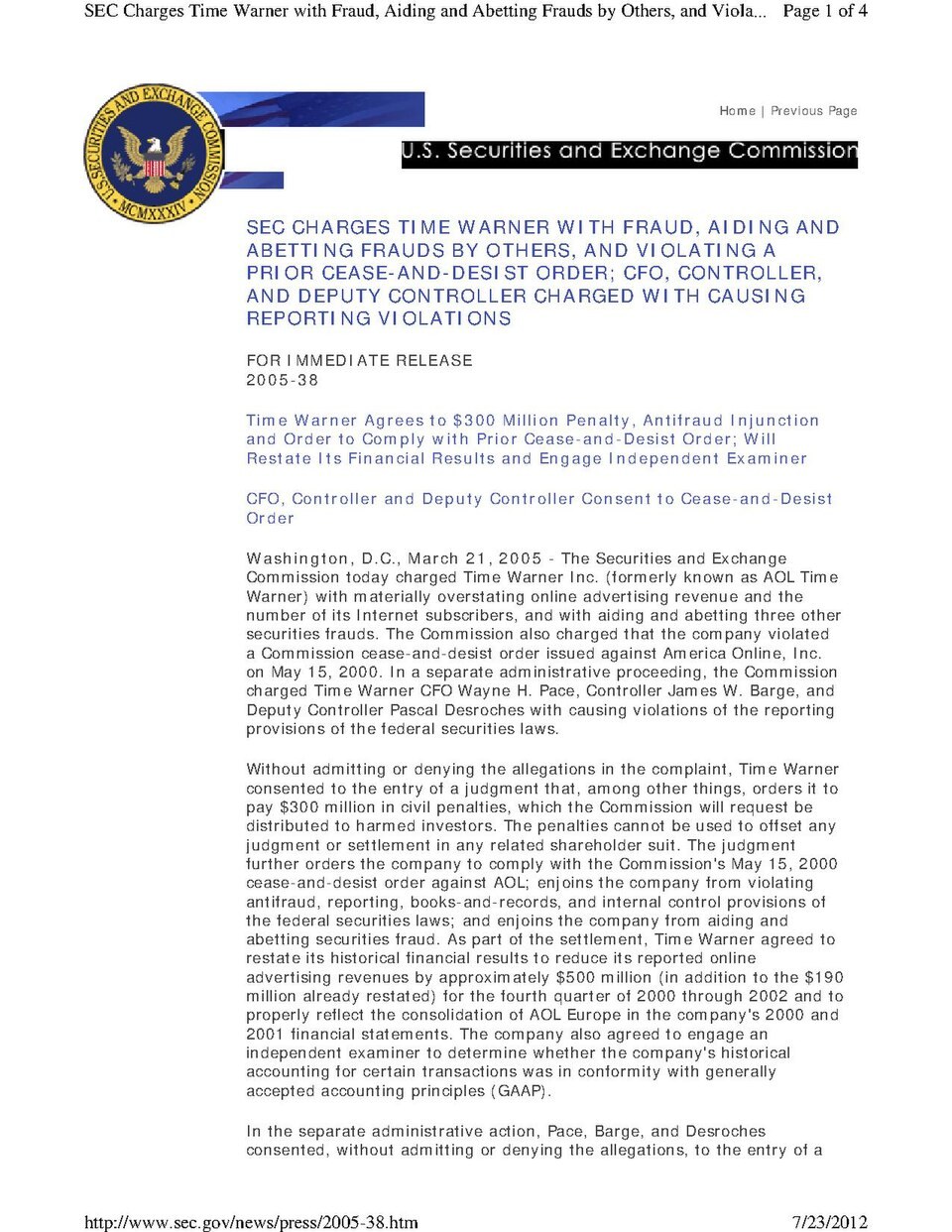
The Securities and Exchange Commission charged Colorado-incorporated entities BG Wealth Sharing Ltd and DSJ Exchange Pty Ltd on Thursday with orchestrating a $130 million fraud scheme that weaponized false SEC filings to manufacture an illusion of regulatory legitimacy, drawing tens of thousands of retail investors across more than 40 U.S. states into a purported crypto 'wealth-sharing program.' According to the complaint filed in the U.S. District Court for the Northern District of California, the scheme operated from at least October 2025 through June 2026.
Key Takeaways
- SEC charges BG Wealth Sharing Ltd and DSJ Exchange Pty Ltd with $130M fraud using false Form ADV and Form D filings to fake regulatory approval.
- Scheme operated Oct 2025–June 2026, targeting tens of thousands of retail investors across 40+ U.S. states/territories via multi-channel outreach (social media, encrypted apps, videoconferences, mobile app).
- Defendants promised risk-free returns from fictitious 'SI-generated signals' for crypto trading; used Ponzi-like payments to sustain confidence while misappropriating funds.
- SEC seeks permanent injunctions, disgorgement with prejudgment interest, civil penalties; false filings removed from SEC website; investor alerts issued on misuse of exempt reporting adviser filings.
- Multi-jurisdictional cooperation: Alberta Securities Commission and state regulators in TX, UT, WI, WA, HI assisted; litigation pending in N.D. California.
Executive Intelligence Brief
Mechanics of the Fraud: False Filings as Marketing Collateral
The defendants' core innovation was the strategic misuse of the SEC's own public disclosure infrastructure. BG Wealth filed a false Form ADV — the registration form for investment advisers — while DSJ Exchange submitted a false Form D, used for exempt securities offerings. These filings, publicly accessible on the SEC's Investment Adviser Public Disclosure (IARD) database and EDGAR system respectively, were then displayed to prospective investors as 'proof' that the SEC had licensed, approved, or partnered with the entities.
In reality, BG Wealth was not registered as an investment adviser, was not the world's largest hedge fund, and held no partnership with a licensed crypto platform. DSJ Exchange was not a licensed or secure trading platform. The complaint alleges the defendants supplemented these filings with fabricated certificates bearing the SEC seal, disseminated across social media, encrypted messaging apps, weekly live videoconferences, and a dedicated mobile application.
Ponzi-Like Dynamics and Multi-Channel Distribution
Laura D'Allaird, Chief of the SEC Enforcement Division's Cyber and Emerging Technologies Unit, described the operation as 'well-planned,' noting the defendants' determination to 'keep investors engaged' through diverse communication channels. The complaint alleges a Ponzi-like structure: periodic payments were made to certain investors to sustain confidence and encourage reinvestment or referrals, while the bulk of the $130 million raised was misappropriated. The promised 'risk-free returns' were supposedly generated by 'SI-generated signals' for crypto asset trading — a claim the SEC says was entirely fictitious.
Regulatory Response and Investor Protection Gaps
The SEC is seeking permanent injunctions, disgorgement with prejudgment interest, and civil penalties against both entities, plus conduct-based injunctions against BG Wealth under Sections 204(a) and 207 of the Investment Advisers Act of 1940. Critically, the false Form ADV and Form D have been removed from the Commission's website. The SEC's Office of Investor Education and Assistance has issued specific alerts warning that scammers are exploiting exempt reporting adviser filings to create a false impression of legitimacy.
The case underscores a persistent vulnerability: the mere presence of a filing in an SEC database does not equate to regulatory approval or vetting. The SEC encourages investors to use Investor.gov to verify the background of anyone offering investments, though the sophistication of this scheme — including fake SEC seals and multi-channel outreach — suggests traditional verification tools may be insufficient against determined bad actors.
Multi-Jurisdictional Enforcement Coordination
The SEC acknowledged assistance from the Alberta Securities Commission and five U.S. state regulators: the Hawaii Department of Commerce and Consumer Affairs, Texas State Securities Board, Utah Department of Commerce Division of Securities, Washington State Department of Financial Institutions, and Wisconsin Department of Financial Institutions. This coordination reflects the geographic breadth of the victim pool and the increasing role of state securities regulators in policing crypto-related fraud that crosses jurisdictional lines.
Forward Outlook: Litigation and Policy Implications
Litigation will proceed in the Northern District of California. Key milestones include the defendants' response to the complaint, potential asset freezes or receivership motions, and discovery into the flow of the $130 million in investor funds. The case may also inform ongoing policy debates about the adequacy of Form D and Form ADV safeguards, the regulation of crypto-asset trading platforms, and the SEC's capacity to police fraudulent misuse of its own public databases in real time.